
Knee pain can be a debilitating issue affecting daily life, mobility, and overall well-being. For residents of Delhi NCR experiencing chronic knee discomfort, understanding the surgical options available is vital. In some cases, conservative treatments like medications, physiotherapy, or injections may not suffice, and surgery becomes the most effective solution. This is where Primary Knee Replacement Surgery in Delhi NCR emerges as a key
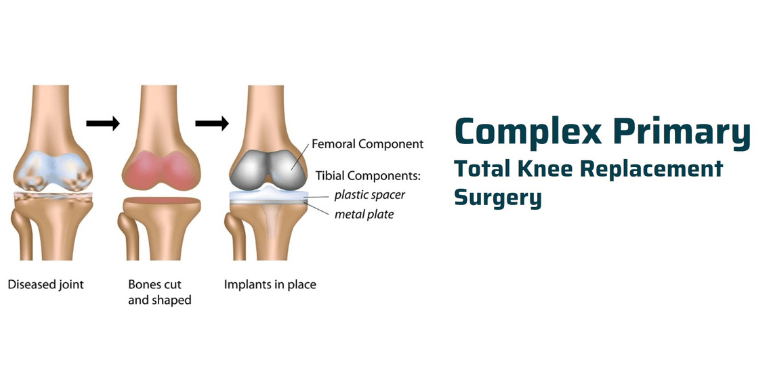
Table of Contents
Understanding Knee Pain and Its Causes
Knee pain often develops due to:
- Osteoarthritis: Degeneration of cartilage leading to stiffness and pain.
- Rheumatoid Arthritis: Autoimmune inflammation affecting joint tissues.
- Post-Traumatic Injuries: Accidents or fractures that damage the knee structure.
- Chronic Wear and Tear: Aging or repetitive stress on the joint.
When these conditions progress, non-surgical treatments may fail to provide relief, and surgical intervention becomes necessary.
When Is Surgery the Only Option?
Surgery is recommended when:
- Severe Pain Limits Mobility – Daily activities like walking or climbing stairs become painful.
- Joint Deformity – The knee begins to bow or bend unnaturally.
- Ineffective Conservative Treatment – Pain persists despite medications, injections, or physiotherapy.
- Advanced Arthritis – X-rays or MRI scans reveal significant cartilage loss or bone damage.
For patients in Delhi NCR, opting for Primary Knee Replacement Surgery in Delhi NCR can restore mobility and improve quality of life.
What Is Primary Knee Replacement Surgery?
Primary knee replacement, also known as Primary Knee Arthroplasty, is a surgical procedure where the damaged knee joint is replaced with an artificial implant. It is generally recommended for patients with severe arthritis or knee damage where other treatments have failed.
Key benefits include:
- Relief from chronic knee pain
- Improved joint function and mobility
- Enhanced quality of life
- Long-lasting results, often lasting 15–20 years
Types of Knee Replacement Procedures
Different surgical options are available depending on the extent of knee damage:
At SMH Prime Hospital, Delhi, experienced surgeons specialize in primary procedures ensuring patient-centric care and optimal outcomes.
Why Choose SMH Prime Hospital, Delhi for Knee Replacement?
Located in the heart of Delhi NCR, SMH Prime Hospital offers state-of-the-art facilities for knee replacement procedures. Advantages include:
- Experienced orthopedic surgeons skilled in Primary Total Knee Replacement in Delhi NCR
- Advanced surgical technology for minimally invasive procedures
- Personalized rehabilitation programs for faster recovery
- Comprehensive post-operative care ensuring long-term success
Dr. Shekhar Sirvastav, a leading orthopedic specialist, has performed hundreds of successful primary knee arthroplasty procedures, making the hospital a trusted destination for knee pain relief.
Recovery and Rehabilitation
Post-surgery rehabilitation is crucial to restore mobility and strength. Key steps include:
- Immediate Post-Operative Care – Pain management, wound care, and monitoring.
- Physiotherapy – Exercises to improve flexibility and strengthen muscles.
- Gradual Weight-Bearing – Using walkers or crutches initially, progressing to walking unaided.
- Long-Term Care – Maintaining a healthy weight and low-impact exercise to preserve the knee function.
Patients typically regain independence within 6–12 weeks, depending on the procedure type and overall health.
Common Questions About Knee Replacement Surgery
1. How long does a primary knee replacement last?
With proper care, a primary knee replacement can last 15–20 years, sometimes longer with advancements in prosthetic materials.
2. Is knee replacement surgery painful?
Pain is managed effectively with anesthesia during surgery and medications post-operatively. Rehabilitation exercises are crucial but may cause mild discomfort.
3. Can I resume normal activities after surgery?
Yes. Most patients resume daily activities within 6–12 weeks, but high-impact sports may need to be avoided.
4. How do I know if I need a primary knee replacement?
Persistent pain, limited mobility, and joint deformity despite non-surgical treatments indicate that surgery may be the best option.
5. Are there any risks with knee replacement surgery?
As with any surgery, risks exist, including infection, blood clots, or implant issues. Choosing an experienced orthopedic center minimizes these risks.
Choosing the Right Surgeon in Delhi NCR
Choosing the right surgeon is very important for a successful knee replacement. Key factors to consider:
- Years of experience in Primary Knee Arthroplasty in Delhi NCR
- Number of successful procedures performed
- Access to advanced surgical technology
- Patient testimonials and success rates
SMH Prime Hospital’s team, led by Dr. Shekhar Sirvastav, is renowned for high success rates and patient-focused care.
Frequently Asked Questions (FAQs)
1. What is the difference between primary and total knee replacement?
Primary knee replacement, also known as primary knee arthroplasty, involves replacing a severely damaged knee joint for the first time, while total knee replacement refers to replacing the entire joint. Both aim to relieve chronic pain and restore mobility.
2. How long does it take to recover from a primary knee replacement surgery?
Recovery typically ranges from 6 to 12 weeks, depending on the type of procedure, overall health, and adherence to physiotherapy. Most patients can resume daily activities within this period.
3. Is primary knee replacement surgery painful?
Pain is managed effectively with anesthesia during surgery and post-operative medications. Mild discomfort during rehabilitation is normal, but proper physiotherapy helps speed up recovery.
4. Who is an ideal candidate for knee replacement surgery in Delhi NCR?
Patients with severe arthritis, joint deformity, or chronic knee pain that does not respond to conservative treatments are ideal candidates. Imaging tests like X-rays or MRI scans help determine the need for surgery.
5. How long does a knee replacement last?
With proper care and lifestyle management, a primary knee replacement can last 15–20 years or more, depending on activity level and overall joint health.
Conclusion
For individuals in Delhi NCR suffering from chronic knee pain, when non-surgical treatments fail, Primary Knee Replacement Surgery in Delhi NCR offers a reliable solution. With experienced surgeons, advanced technology, and structured rehabilitation programs, patients can regain mobility, reduce pain, and improve quality of life. Choosing the right hospital and surgical team ensures that knee replacement is not just a procedure but a transformative journey toward better health.